
What Are Adenoids in Children?
Adenoids are small, soft tissues located at the back of the nose. In children, adenoids help fight germs. However, sometimes they can become swollen or enlarged. When this happens, it may cause problems with breathing or sleeping. Many parents wonder about adenoid removal in children and when it is needed. Understanding adenoids can help you make the best choices for your child’s health.
Common Symptoms of Enlarged Adenoids
Enlarged adenoids can cause several signs and symptoms. Often, these problems affect a child’s breathing and sleep. For example, you may notice:
If you see these signs of enlarged adenoids, it is important to talk to your doctor. Early action can help prevent more serious problems.
Causes and Risk Factors
Several things can cause adenoids to become enlarged. Most often, infections are the main reason. For instance, frequent colds or throat infections can make adenoids swell. Allergies may also play a role. Some children are more likely to have enlarged adenoids because of their family history. In addition, children between ages 3 and 7 are at higher risk, as their adenoids are most active during these years. According to the CDC, exposure to secondhand smoke can also increase the risk.
How Doctors Diagnose Adenoid Problems
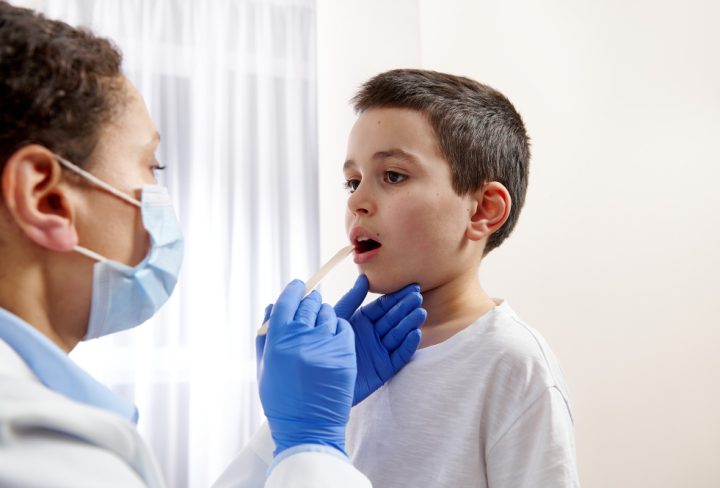
Doctors use several methods to check for adenoid problems. First, they will ask about your child’s symptoms. Next, they may look inside your child’s nose and throat. Sometimes, a small mirror or a flexible camera helps them see the adenoids. In some cases, an X-ray may be needed. If your child has frequent ear infections, hearing tests may also be done. Early diagnosis helps doctors choose the best treatment for your child.
Treatment Options for Enlarged Adenoids
There are different ways to treat enlarged adenoids. The right choice depends on your child’s symptoms and health. Common treatments include:
Doctors will explain each option. They will help you decide what is best for your child.
When Is Adenoid Removal the Right Choice?
Sometimes, adenoid removal in children is the best option. This surgery is called an adenoidectomy. But when to remove adenoids depends on several factors. For example, doctors may suggest surgery if:
According to the World Health Organization, adenoidectomy is safe and effective when done for the right reasons. Always talk to an ENT specialist before making a decision.
Recovery and Aftercare Tips
After adenoid removal, most children recover quickly. However, following some adenoidectomy recovery tips can help. For instance:
Usually, children return to normal activities within a week. But if you notice fever, severe pain, or heavy bleeding, contact your doctor right away.
Preventing Adenoid Problems in Children
While you cannot always prevent enlarged adenoids, some steps may help. For example:
With these steps, you can lower the risk of adenoid problems in children.
In summary, knowing the signs of enlarged adenoids and understanding treatment options can help you make the right choices. Consult an ENT specialist to discuss the best options for your child’s health.