
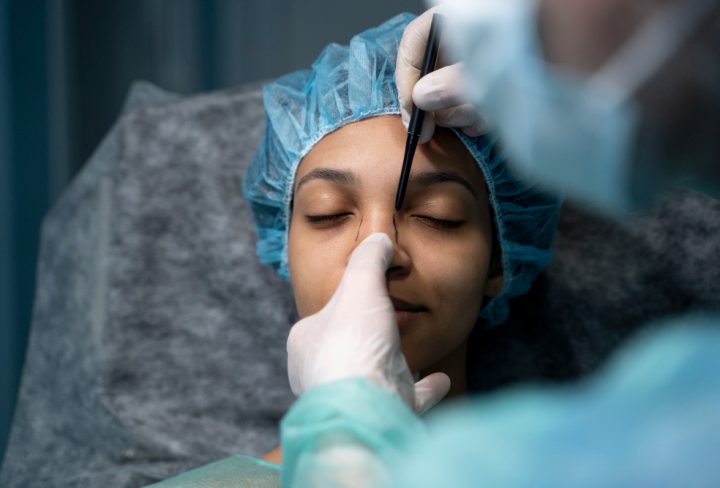
What is Functional Rhinoplasty?
Functional rhinoplasty is a type of nose surgery. Unlike cosmetic rhinoplasty, its main goal is to improve how you breathe through your nose. Many people have trouble breathing due to a blocked or crooked nose. For them, functional rhinoplasty can help restore normal airflow. This procedure is also called functional nose surgery or nasal obstruction surgery. It is not just about looks. Instead, it focuses on helping you breathe better after rhinoplasty.
Common Causes of Nasal Breathing Problems
There are many reasons why someone may have trouble breathing through their nose. Often, these problems are due to:
Sometimes, these issues can happen together. As a result, breathing becomes even harder. If you notice any of these causes, you may benefit from functional rhinoplasty.
Symptoms Indicating the Need for Functional Rhinoplasty
Many people live with nasal blockage for years. However, certain symptoms may suggest you need help. For example, you may notice:
If these symptoms affect your daily life, it is wise to seek medical advice. Early treatment can help you breathe better and feel more comfortable.
Diagnosis: How Doctors Assess Nasal Obstruction
Doctors use several steps to find the cause of nasal blockage. First, they ask about your symptoms and medical history. Next, they examine your nose inside and out. Sometimes, they use a small camera called an endoscope to see deeper inside your nose. In some cases, a CT scan may be needed. This helps doctors see the bones and tissues clearly. With these tools, doctors can decide if functional rhinoplasty is right for you.
The Functional Rhinoplasty Procedure: What to Expect
Before surgery, your doctor will explain the steps and answer your questions. The procedure is usually done under general anesthesia, so you will not feel pain. During surgery, the doctor may:
Most surgeries take one to two hours. Afterward, you will rest in a recovery area. Usually, you can go home the same day. However, your doctor will give you instructions for care at home.
Recovery and Aftercare Tips
After functional rhinoplasty, it is important to follow your doctor’s advice. Here are some helpful tips for a smooth recovery:
Most people return to normal activities within one to two weeks. However, full healing may take several months. If you notice severe pain, bleeding, or fever, contact your doctor right away.
Benefits and Potential Risks
Functional rhinoplasty offers many benefits. For example, you may:
However, as with any surgery, there are some risks. These may include:
Although most people recover well, it is important to discuss all risks with your doctor before surgery.
Prevention and Lifestyle Guidance for Healthy Nasal Breathing
While some nasal problems cannot be prevented, you can take steps to keep your nose healthy. For instance:
With these habits, you can help maintain clear nasal passages and breathe easier every day.
Conclusion
Functional rhinoplasty can greatly improve nasal breathing and quality of life. If you have ongoing nasal blockage, do not ignore your symptoms. Consult a qualified ENT specialist to discuss your nasal breathing concerns and explore if functional rhinoplasty is right for you.