
What Is Earwax Impaction?
Earwax impaction happens when too much earwax builds up in the ear canal. Normally, earwax protects your ears by trapping dust and germs. However, sometimes it collects and blocks the ear. This blockage can cause discomfort or even hearing problems. Earwax impaction is common and can affect people of all ages. According to the CDC, it is one of the top reasons people visit an ENT specialist.
Causes of Earwax Impaction
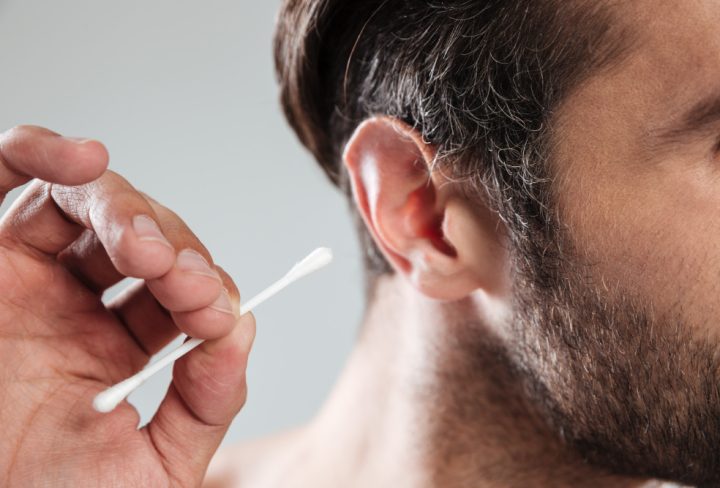
There are several reasons why earwax impaction may occur. For example, some people naturally produce more earwax. Others may have narrow or oddly shaped ear canals. In addition, using cotton swabs or other objects can push wax deeper into the ear. Here are common causes:
Common Symptoms of Earwax Impaction
Earwax impaction can cause several symptoms. Sometimes, you may not notice any signs at first. But as the blockage grows, you might experience:
However, these symptoms can also be caused by other ear problems. Therefore, it is important to get a proper diagnosis.
How Is Earwax Impaction Diagnosed?
Doctors use simple tools to check for earwax impaction. First, they will ask about your symptoms. Next, they use an otoscope, a small lighted device, to look inside your ear. This helps them see if wax is blocking the canal. Sometimes, hearing tests may be done if hearing loss is present. According to the World Health Organization, proper diagnosis is key to safe earwax removal.
Safe Earwax Removal Techniques
Many people try to clean their ears at home. However, using cotton swabs or sharp objects can make things worse. Instead, try these safe earwax removal methods:
Home Care Tips
But, do not use ear candles or insert objects into your ear. These can cause injury or push wax deeper.
When to See a Doctor
If home care does not help, it is best to visit an ENT specialist. Doctors can safely remove earwax using special tools or gentle suction. Sometimes, they may use irrigation (flushing with water) under controlled conditions. You should see a doctor if you:
Prevention Tips for Earwax Impaction
Preventing earwax impaction is easier than you think. For example, avoid putting anything in your ears. Instead, let your ears clean themselves naturally. Here are some simple prevention tips:
Additionally, if you have frequent earwax problems, talk to your doctor about safe ear cleaning options.
When to Seek Medical Attention
Sometimes, earwax impaction can lead to serious problems. Therefore, you should seek medical help if you have:
Early treatment can prevent complications and protect your hearing.
Conclusion
In summary, earwax impaction is common but treatable. Safe earwax removal and prevention are important for healthy ears. If you have symptoms or trouble removing earwax, consult an ENT specialist. They can provide expert care and advice tailored to your needs.