
Introduction to Technology in ENT
Today, technology in ENT (Ear, Nose, and Throat) care is changing lives. New devices and treatments help people hear better and live more fully. Because of these advances, many people with hearing loss can now enjoy clearer sounds and improved communication. In this blog, we will explore the latest ENT technology, including hearing aids, cochlear implants, and other advanced treatments. We will also discuss when these options are needed and how to choose the right one.
Overview of Hearing Loss and When Technology Is Needed
Hearing loss affects millions of people worldwide. According to the World Health Organization (WHO), over 5% of the world’s population has disabling hearing loss. Sometimes, hearing loss is mild and does not need treatment. However, in many cases, technology can help. If you notice trouble hearing conversations, ringing in your ears, or needing to turn up the TV, it may be time to seek help. Early use of hearing technology can prevent further problems and improve quality of life.
Hearing Aids: What They Are, How They Work, Who Needs Them
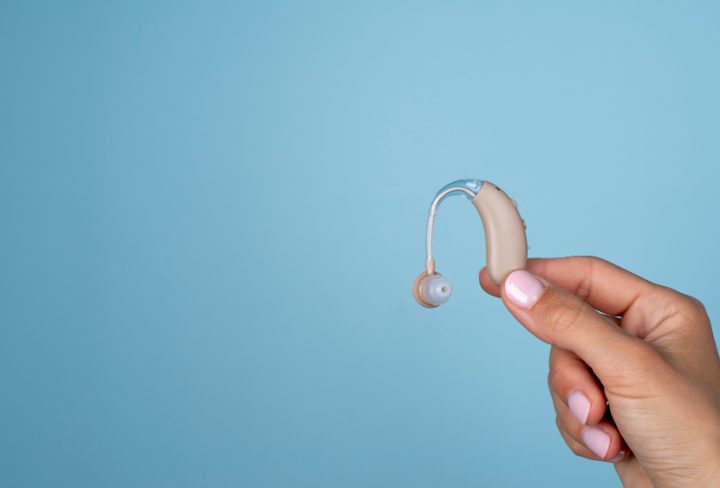
Hearing aids are small electronic devices worn in or behind the ear. They make sounds louder so you can hear better. Most hearing aids have three main parts:
Because hearing aids come in many styles and sizes, you can find one that fits your needs. People with mild to moderate hearing loss often benefit most. However, not everyone is a candidate. An ENT specialist can help decide if hearing aids are right for you. The benefits of hearing aids include clearer speech, less effort in conversations, and a more active social life.
Cochlear Implants: What They Are, How They Work, Who Benefits
Cochlear implants are different from hearing aids. While hearing aids make sounds louder, cochlear implants send signals directly to the hearing nerve. This device is for people with severe or total hearing loss who do not benefit from hearing aids. The implant has two parts:
After surgery, the device is programmed to match your hearing needs. Many cochlear implant candidates are adults or children who cannot hear well even with strong hearing aids. With training and practice, users often notice big improvements in understanding speech and sounds.
Other Advanced ENT Treatments and Their Indications
Besides hearing aids and cochlear implants, there are other advanced hearing loss treatments. Some options include:
Each treatment has its own uses. For example, bone-anchored systems help people with ear canal issues. Middle ear implants are for those with damaged eardrums or middle ear bones. An ENT doctor will recommend the best advanced hearing loss treatment based on your needs.
How to Choose the Right Technology and What to Expect
Choosing the right technology in ENT depends on your hearing loss, lifestyle, and budget. First, get a full hearing test from an ENT specialist. Next, discuss your daily needs and preferences. Some people want invisible devices, while others prefer easy-to-use controls. Your doctor will explain the pros and cons of each option. After choosing a device, expect a short adjustment period. You may need follow-up visits to fine-tune the settings. With the right support, most people adapt quickly and enjoy better hearing.
Prevention and Lifestyle Tips for Ear Health
Good ear health can help prevent hearing loss. Here are some simple tips:
Because prevention is easier than treatment, these habits can protect your hearing for years to come.
Conclusion
In summary, technology in ENT offers many solutions for hearing loss. From hearing aids to cochlear implants and other advanced treatments, there is help for almost everyone. If you or a loved one struggles with hearing, do not wait. Consult an ENT specialist to find the best hearing solution for your needs.